Executive Decisions

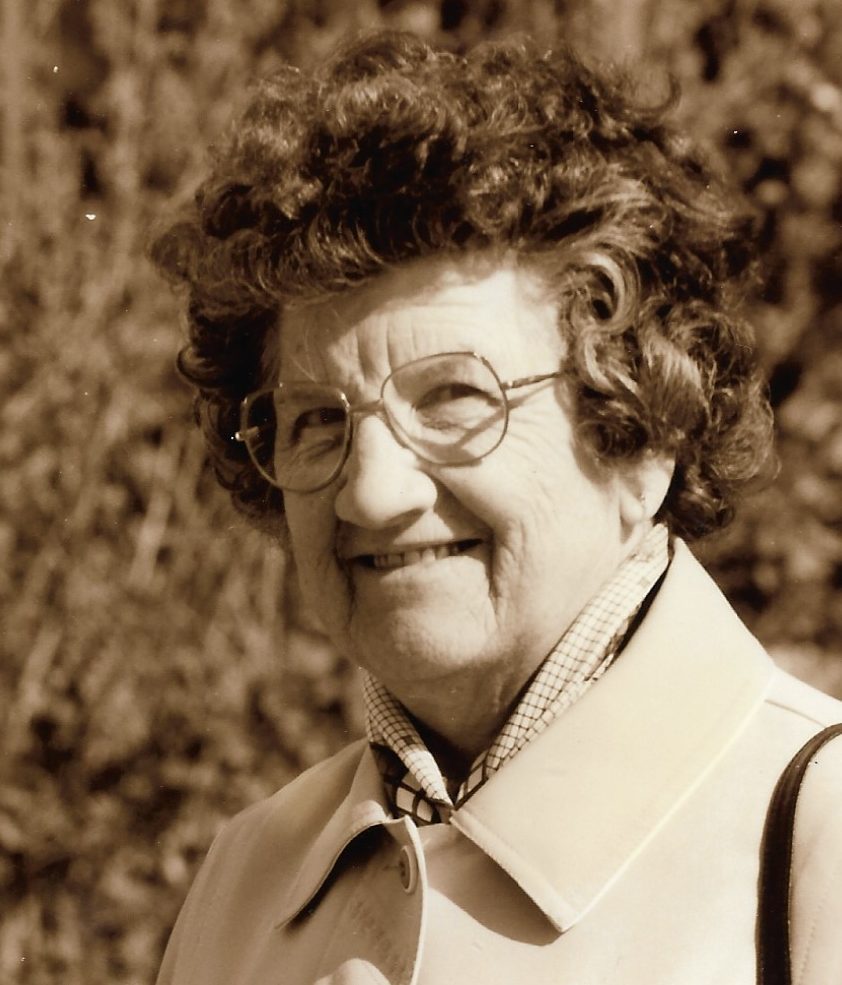
My mother burnt her diaries.
Autumn had come, or spring.
At 80, she stood up for the future,
and exercised her rights upon the past.

All pencils saved,
each simple record made its sacrifice.
Flames took them,
week by week,
until her exit unencumbered,
and all entrances sealed up,
she was alone at last.
No prying biographer,
or curious, late-orphaned son
to put her life together again.

Larkin, younger,
and with a different end in mind,
thought much the  same,
but his were shredded from beyond the grave.
The poet parting company from the man.
25 volumes kept from 16 years,
And one final woman posthumously employed
to compost the rank, malodorous stuff
he grew his fame in.

I see them now,
the personal, the literary things,
the lives sloughed off like skin.
Give it all away to fire.
Keep not a scrap until the end.
No point in hanging on.
A pile of ash.
A heap of ticker tape like straw.
That’s all.
Chester 12.10.90

Lunch with Tony Harrison


The point of lunch was just to fill his time
between our conference and another date –
thus brought, the bistro fare had wit and form,
the seafood heaped a healthy metric on his plate.

I have no memory of what filled mine –
as if my choice could would matter either way.
I listened, picking up each tone.
He filled his fork, had something wise to say,

I gave a careful moment to each thought,
and let him talk, and listened hard,
enjoyed his confidence in role as poet-scholar,
much-examined author, and living English bard.

But through the hours that came and went,
there’s now no sign of why or what,
nothing that either of us said survives
or mattered more than any other jot.

Though even every word has gone, I stagger
through the rhymes to get this right.
When merest hints of deference were
put away – and being plain was held in sight.

I, as a guest of fame, had harder tasks –
his polished northern man could calmly pace
a day like this. And thus possessed had only then
to smile and nod, while I kept in my place.

Thus I remember what he ate, and watched
for that which marked his right to be
in verse, or owner of each volume that he’d read.
Not so, if this should be reversed, he me.

To be forgot the greatest gift that anyone
can make when real talk’s thin.
A lift, a lunch, a bookshop in the styx –
so taste the moment, hold it in.

Chester 12.12.17

See Keeping the Clay Moist


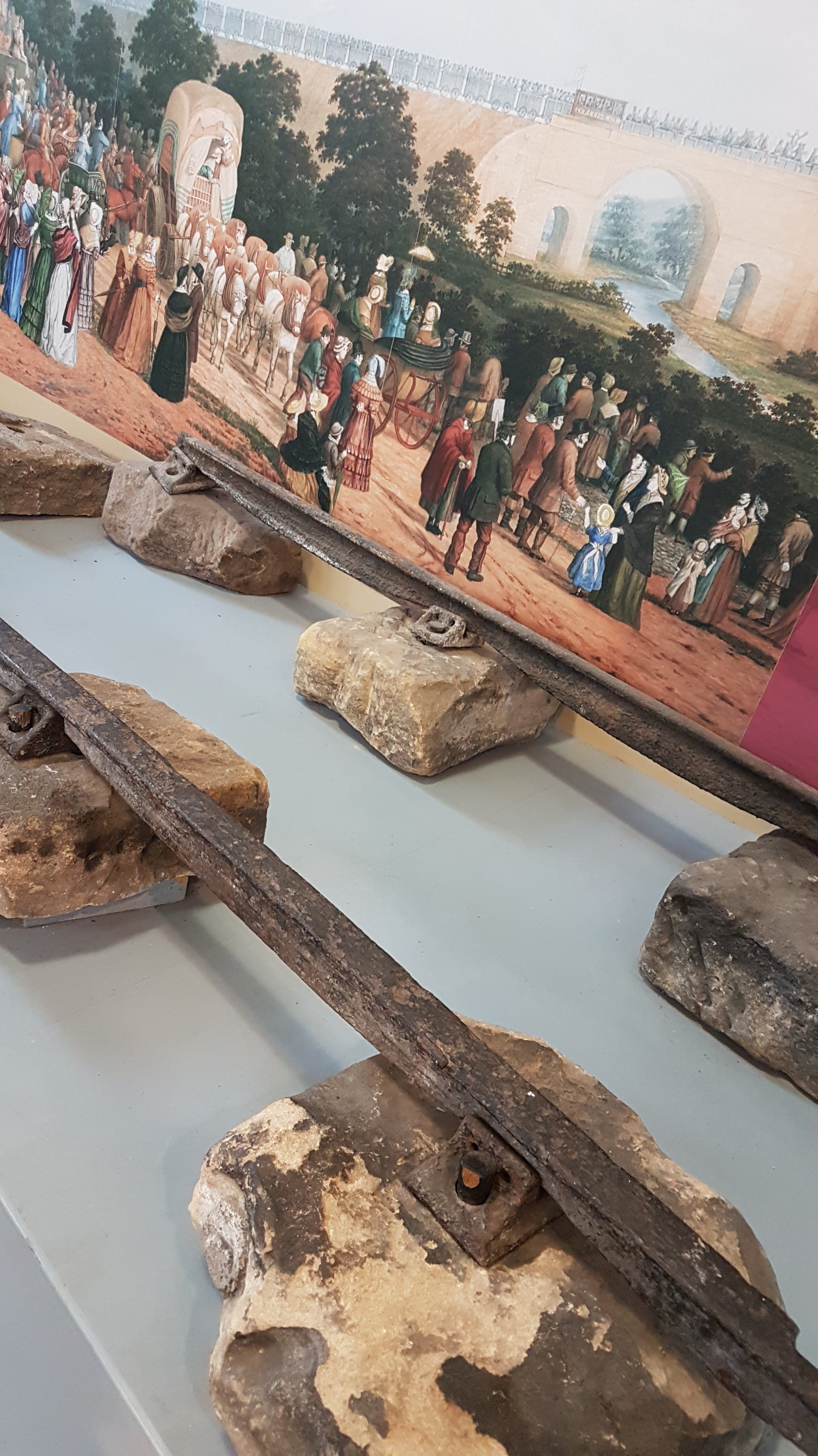
Mr Pease’s Day of Days

It is an occasion to be consumed
by transport. Crowds of us turn up
to witness the miracle. Steam, the
infant prodigy, is raised, with many heads
nodding at the hissing gouts, the
clacking rods, the clanking rails.

Triumph billows in the air. Locomotion,
not yet named iconically, is merely
Active. She’s fresh by road from
Mr Stephenson’s works on Tyne
and gathers under him her dizzy way.
8 miles per hour, workmen,
500 souls too grand or rich
to walk, 12 carriages of coal
– held back by one red flag and now
outdated horse. No matter if a sticky
valve delays, or wagon derails – we’ve
done with patience, are up there with
the fire-man and his tender coal,
ready to move on.

Tonight a banquet
to usher in this iron road, this way
of fire, soon faster than tomorrow.
Where else to be but here?

But visionary Quaker Edward Pease,
owner of the track, our father to the future,
keeps away. It is his day, and not.
Isaac, his son, this time of all,
is taken by Consumption. And where else
should a father be, but holding on,
hoping for a dearer future where there’s none?

Unlike the quest for speed and better
trade, a death remains our undefeated
signalman, companion to our ends,
our progress, and our joy.

They Were Never Wrong

In the city of Cosimo de’ Medici,
two soldiers in fatigues, with automatic rifles;
two armed policemen – one overweight,
a family man, the other tanned, young
and assisting; and three paramedics – one
a girl who struggles with the ambulance’s
sliding door, and all in hi-viz yellow: have come
to take a youth, who lies, grey hooded,
in a station doorway. This tableau, somewhere
west of Bethlehem, freezes, waiting
for the painter and an easel. Gets me,
the tourist on the bus. I do my best,
in honour of the city on the Arno.

The boy’s dark hair, and deep, deep skin
speaks of Africa, His thin legs dangle,
too weak to take the weight his small
life needs to bear.  What care he will
receive, I’ll never know – nor whether
poverty, drugs or drink had brought
him low. A refugee unsheltered or
feeble menace to the state?

The bus takes me away
and Mozart whispers in my ears.
And round our city palaces and galleries,
the fortresses of our past and care,
oil-painted waters pluck and pound.

Shades


Cicadas mate like crickets in the grasses
dry from this Italian summer.
Round the pool we also gather,
More noises, callings, rituals, displays.

A woman, blue costume lacing
front to back, oils her partner’s
body with her palm. It’s factor 20
comes between them, later
he’ll burn, hot skinned in her arms.

Two girls smoke, laugh and lie together.
Tuscan, brown as olives, tasting.
A dozen tattoos back their conversation.
A heart in red, cartoons the faith
that brings us all together in the end.

For those of us who are not young,
there is the mirror of the water, our feet
disturbing, shocked to feel its sudden
cool – an amniotic balm, a hint
of dying  on some other day. The rest

of us read books, and watch the shadows –
thrillers, or excitements felt from missing,
something. Our pages turned or turning.
Sleep also holds, behind dark lenses,
Sleep: sun-dowsed, dazed and welcome.

And evening calls. We guise our bodies –
wraps and towels. Grey and tan,
a pigeon dips, and drinks the water,
arrows to a thin and dancing tree.

And crickets like cicadas call in grasses.

Canalicchio 2018